
Is It Cheaper to Repair or Replace a Gearbox?
It can be really stressful when your gearbox starts having problems.
You might hear strange noises, notice fluid leaks, or feel rough shifting when you change gears. Since a gearbox is so complex, it’s easy to worry that you’ll need a huge repair bill – or even a completely new transmission.
Should you have it repaired or replaced? That really depends on how quickly you act. If you notice the issue early, it may only need a simple fix, like replacing a solenoid or sealing a leak, instead of a full overhaul or total replacement. If you wait too long, the results could be disastrous for your pocket.
That is why it’s so important to get professional help from a specialist like North West Transmissions as soon as you notice anything unusual.
What is the difference between gearbox repair and gearbox replacement?
Gearbox repair
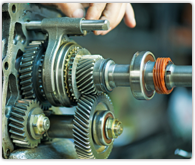
The focus is on finding out if the gearbox can still be fixed and only replacing certain parts.
Our highly trained gearbox technicians do a thorough inspection and look for the most affordable option.
What are the most common repairable faults?
- Worn bearings, making humming or grinding noises.
- Worn or damaged seals and gaskets that cause leaks.
- Faulty solenoids or sensors that lead to shifting issues.
- Minor gear damage, such as worn synchronisers, causes grinding noises and difficult gear changes.
- Faulty sensors cause erratic or difficult shifting or getting stuck in “park” or “neutral”.
- Metal filings or dirt in the gearbox fluids lead to gears slipping or the gearbox overheating. Instead of lubricating the moving parts, the fluid becomes like sandpaper, causing wear and premature failure.
When do you have to replace the gearbox?
When there is severe damage, such as a cracked housing or internal failure, it is necessary to install a new or refurbished gearbox.
What are your options if you have to replace the gearbox?
Buy a new gearbox
A new gearbox comes straight from the manufacturer. It is the most expensive option and has a full guarantee.
Main dealers prefer to replace the gearbox or an entire component. If your vehicle is still under warranty or a maintenance plan, this is probably your best option.
Manual Gearboxes
The price varies greatly by make and model. A new manual gearbox usually ranges from £1500 to £3,000, while some high-performance gearboxes could be as much as £4,000 or more.
Automatic & Direct-shift Gearboxes:
These are more complex and expensive, typically ranging from £1,000 to £5,000, with high-end gearboxes costing as much as £7,000.
Buy a guaranteed reconditioned gearbox
A reconditioned manual or automatic gearbox offers the best balance of reliability and price. NWT takes their reconditioned gearboxes apart completely, carefully checks and rebuilds them to high industry standards, replacing all worn parts with new ones. They back their gearboxes with a comprehensive twelve-month or 12000-mile parts and labour warranty.
The average cost of a professionally reconditioned gearbox is between £1,200 and £2,500.
North West Transmissions (NWT) is a huge company that sells and delivers gearboxes to many garages across the North of England and North Wales. Because they have so many parts in stock, buying a gearbox straight from them is much cheaper than buying one from a big car dealership. Depending on what kind of car you drive, a standard gearbox usually costs between £450 and £1,500.
If you want them to supply and fit the gearbox, the total cost for a manual gearbox is usually between £750 and £1,800 and between £1,200 and £2,500 for an automatic. Get a quote now.
Buy a used gearbox
Used gearboxes come from vehicles that have been stripped for parts. They are often the cheapest options, sometimes costing as little as £250-£500, but they carry a high risk because one does not know the gearbox’s history.
Why is the cheapest option not always the best?
Besides the obvious risks of buying a cheap, used or cheaply repaired gearbox, you should also think about the extra costs later on. This is especially important if the technicians aren’t fully trained to find the real problem or to fix the gearbox properly the first time.
If they only fix the symptoms and don’t solve the actual cause, you will likely need to get the gearbox repaired or replaced again by a professional.
How much does it cost to repair a gearbox?
Specialists like NWT will always first look to repair the gearbox, but only if it is cheaper than replacing it. Click here to ask us for a quote. You can also phone us on 0151 933 0257, email us at sales@nwtgearboxes.co.uk, or fax us at 0151 933 0257.
It is usually more expensive to repair an automatic gearbox than to repair a manual gearbox because automatic gearboxes are more complex.
Never ignore warning signs. Have your gearbox checked when the warning light first comes on, when you hear strange noises, when the gears don’t shift smoothly, or when you notice dirt in the fluid.
To see how much it will cost to repair your gearbox, compare these costs in different parts of the country:
- Diagnostics:
Most workshops charge between £50 and £100 for an initial diagnostic test.
- Fluid service:
A normal transmission fluid change usually costs between £80 and £250. A full specialist flush for an automatic or direct-shift gearbox can cost over £300.
- Small parts repairs:
To replace seals, sensors, or gear selector links usually costs £100 to £700.
- Small manual repairs:
Replacing a clutch slave cylinder or solenoid, or fixing a gear linkage, typically costs £150 to £500.
Bigger repairs:
More detailed internal repairs—like replacing worn synchronisers—can cost £400 to £900.
- Gearbox rebuild:
If the inside parts are worn but the gearbox can still be saved, a rebuild usually costs £300 to £1,500 or more.
- Labour costs:
Labour rates for mechanics vary on a job-by-job quote, but often range from £50 to £85 per hour in the North West, with the most competitive rates from independent gearbox specialists like NWT in Liverpool. In Merseyside, the South East and London, it could be almost double that at £90 to £140 per hour.
Since a gearbox replacement usually takes 6 to 12 hours, expect to pay between £300 and £1,600 in labour alone.
What are the signs that your gearbox can likely be repaired?
Your observations:
If you see any of the following signs, it is essential to bring your vehicle in for an inspection:
- Seeing drops or pools of fluid under the vehicle means the seals are leaking and need to be repaired.
- Difficulty selecting a gear or a “sticky” gear stick often points to low fluid, faulty sensors, or worn solenoids rather than a dead gearbox.
- If you hear humming or clunking noises while idling that disappear when in gear, it often means the bearings are worn, or the fluid needs replacing.
- A slight pause when moving from “Park” to “Drive” can often be fixed by cleaning the valve body or replacing old transmission fluid.
- If a transmission warning light or “check engine” light appears but the car still drives normally, it usually means an electronic sensor or solenoid is faulty. That can be fixed without a full swap.
- If there is a specific issue, such as a single gear being difficult to select.
- Check for dirty fluid on the dipstick or inspection plug.
Technical inspection:
Our technicians are highly trained and know exactly what to look for. They fully understand all the complexities of gearboxes and have been trained to work on all the popular makes and models of vehicles.
While our first priority is to repair the gearbox, sometimes it is beyond saving. This usually happens if the gearbox has suffered severe damage because all the symptoms have been ignored.
This is typically what they will look for:
Type and Size of Contamination
The specialist will drop the transmission pan and inspect the fluid and the pan’s magnet.
- Repairable: Fine, greyish metallic dust or small amounts of clutch friction material. This is normal wear and indicates the core structure is intact.
- Replace: Large metal chunks, gear teeth fragments, or needle bearings mean the internal parts are destroying each other.
A “strawberry milkshake” appearance (caused by engine coolant leaking into the transmission).
Sustained overheating will have warped internal parts beyond repair.
Condition of the Gearbox Casing
The outer aluminium housing (case) holds all internal components in perfect alignment.
- Repairable: Internal component failures where the outer shell is completely undamaged.
- Replace: Hairline cracks, structural fractures, or warped casings caused by severe overheating or impact. Internal pressure will cause leaks, and gears will misalign.
Hard component damage
This includes the gear sets, shafts, torque converter, and planetary gear assemblies.
- Repairable: The damage is isolated to a single, easily accessible component, such as a worn input shaft seal, a single faulty solenoid, or a damaged speed sensor.
- Replace: Widespread pitting, scoring, or bluing (caused by extreme heat) across multiple gear sets or bearings. When too many hard parts need to be replaced, it can quickly cost more than a replacement unit.
Valve body and hydraulic integrity
In automatic transmissions, the valve body acts as the brain, routing fluid to change gears.
- Repairable: Solenoids are failing electrically, but the aluminium channels inside the valve body are clean and unscored.
- Replace: The tiny channels inside the valve body are heavily scored or worn down by abrasive metal debris. This causes permanent hydraulic pressure loss that cannot be reliably machined out.
Labour Costs vs. Total Vehicle Value
The specialist must calculate the hours required to completely strip, clean, machine, and reassemble the unit.
- Repairable: The fix takes only a few hours (e.g., replacing an external seal, mechatronic unit, or clutch pack on a DSG).
- Replace: A full manual tear-down and rebuild exceeds 10–12 hours of specialised labour. If the total estimate for parts and labour exceeds 60-70% of the cost of a remanufactured gearbox with a warranty, replacement is advised.
- Total loss of drive: If your car revs but won’t move in any gear, it usually means a big internal problem. It usually indicates a snapped main shaft or a completely failed torque converter. In many cases, it’s more expensive to rebuild than to replace.
The importance of early professional inspection and diagnosis
State-of-the-art diagnostic tests
It’s important to regularly watch for warning signs and faults. However, specialist transmission technicians are trained and experienced to find the real problem. They use advanced tools like pressure gauges and software scanners to locate exactly what has failed.
This can help you avoid expensive repair bills or needing a full replacement.
Specialists or generalists
General mechanics and garages are great for routine servicing, but they may not have the advanced diagnostic equipment or the heavy-duty tools needed for more complex gearbox repairs.
Takeaway
Look after your gearbox and take note of any warning signs.
Act now! Book a gearbox inspection and diagnostic test with North West Gearboxes today for expert care that keeps you safely on the road. We can help you avoid expensive repairs and costly surprises. We will also show you whether the gearbox can be fixed economically or if you need to replace it with a new or reconditioned gearbox.
Call us for free on 0151 933 0257, or Email: sales@nwtgearboxes.co.uk; Fax: 0151 933 0257, or click here for an online quick quote form.


